The Global Coalition for WHO Action on Firearm Violence brings together a preliminary group of founding partners—leading research institutes, civil-society organisations, and advocacy networks—committed to strengthening the World Health Organization’s leadership in preventing firearm injury and death. Together, these partners combine scientific evidence, policy innovation, and community leadership to advance a coordinated public-health response to firearm violence across all WHO regions. Organisations interested in joining the Coalition are warmly invited to contact the Secretariat at secretariat@WHO-action.org
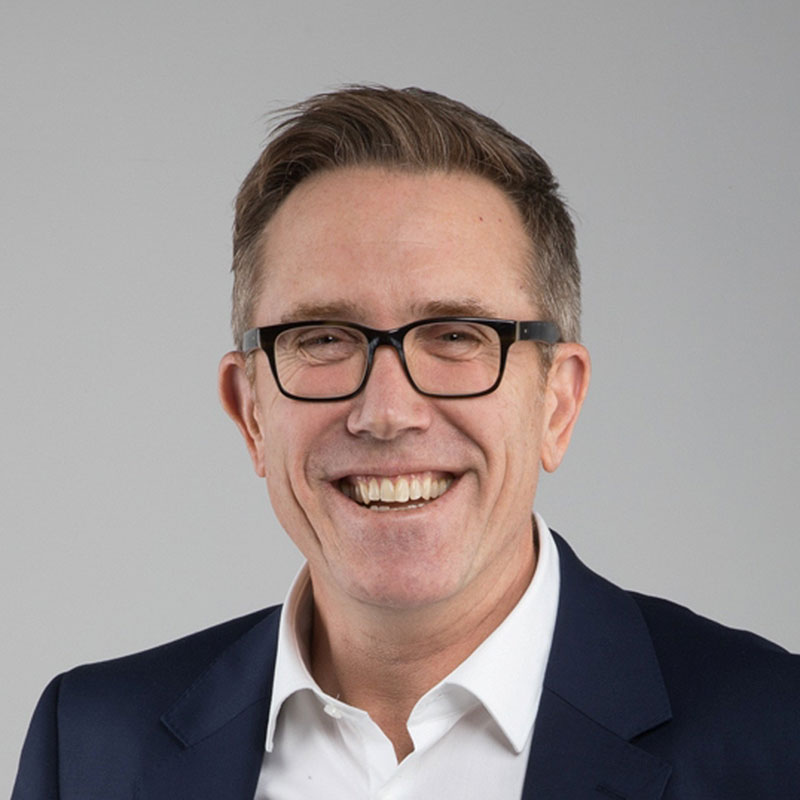
The founding secretariat of the Global Coalition for WHO Action on Firearm Violence is co-led by Dr Stephen Hargarten and Dean Peacock, both globally recognised for their leadership in health and violence prevention.

Stephen Hargarten, MD, PhD is Professor of Emergency Medicine, Associate Dean for Global Health, and Director of both the Global Health Pathway and the Comprehensive Injury Center at the Medical College of Wisconsin. His research sits at the intersection of injury and violence prevention and health policy, and his pioneering work linking data systems on violent deaths informed the development of the CDC’s National Violent Death Reporting System. Dr Hargarten also serves as President of the Milwaukee Global Health Consortium and was the founding President of the Society for the Advancement of Violence and Injury Research. He has advised the World Health Organization through its Violence and Injury Prevention Mentoring Committee.
Dean Peacock has worked for over three decades to advance gender equality, violence prevention, and health equity. He serves as a Commissioner of the Lancet Commission on Global Gun Violence and Health and as an Expert Advisor to the Global Taskforce on Halving Global Violence. He is affiliated with the Division of Social and Behavioural Sciences at the University of Cape Town’s School of Public Health, the Gender Centre at the Geneva Graduate Institute, and the Violence, Inequality and Power Lab at the University of San Diego. He is the co-founder and former Executive Director of Sonke Gender Justice, co-founder and former Global Co-Chair of the MenEngage Alliance, and co-founder of the Community of Practice on Men and Feminist Peace. His writing has been published widely in books, academic journals, and global media outlets.

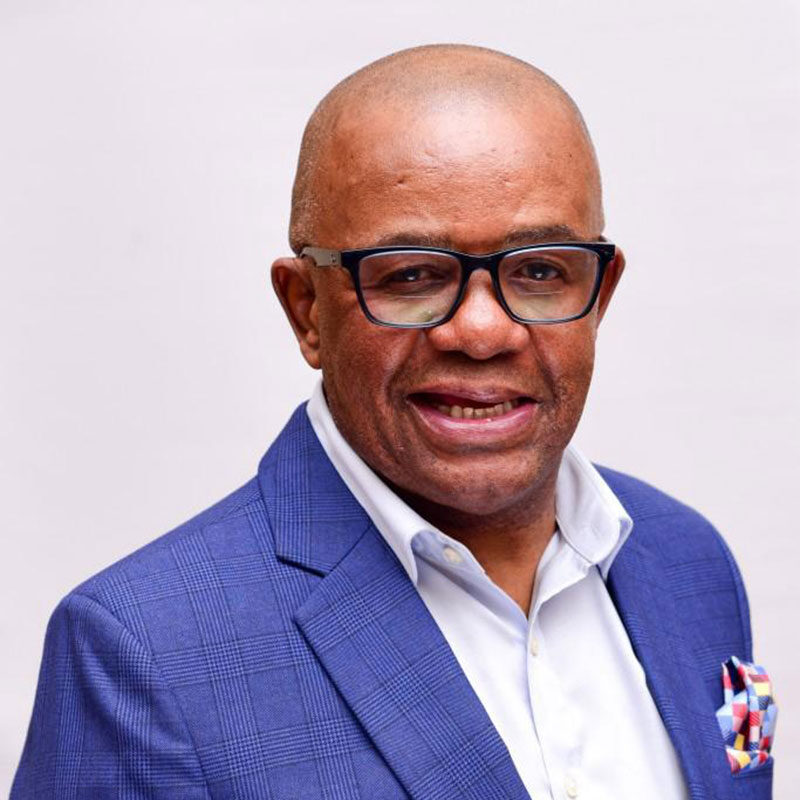
Mbuyiselo Botha is a long-standing advocate for gender equality, disability rights, and violence prevention, with more than four decades of experience in public communication and social justice. Raised in Sharpeville, he has a direct personal connection to gun violence: he was shot by police during a protest in 1986 and has lived with disability for 39 years as a result. He also recently learned that his father was among those shot and killed in the 1960 Sharpeville massacre—killings concealed by the Apartheid state. These experiences inform his view that gun violence requires stronger national and global attention. Mbuyiselo has hosted and contributed to major radio programmes and written for South African and international media, including as a newspaper columnist. He has worked to make issues of gender, safety, and rights accessible to broad audiences. He co-founded the South African Men’s Forum and later served as national media spokesperson for Sonke Gender Justice, where he helped advance public accountability on gender equality. He was appointed by Parliament and the President of South Africa to serve two terms as a Commissioner on the National Commission for Gender Equality. Earlier in his career, he worked as Dissemination Officer for the International Red Cross in South Africa. He is the father of four and grandfather of five, and lives in Pretoria with his wife, Namhla Gugulethu Ntuli.

The Steering Committee of the Global Coalition for WHO Action on Firearm Violence provides strategic guidance to the Secretariat, supporting efforts to re-establish firearm violence as a public-health priority within the World Health Organization and across its 192 Member States. It advises on policy, advocacy, research, and partnerships to advance a World Health Assembly resolution on firearm violence and ensure coordinated, evidence-based global action.
The Steering Committee reflects the Coalition’s commitment to global representation, gender balance, and interdisciplinary collaboration across health, peace, and social-justice sectors:
Director, Gender, Health and Justice Research Unit, University of Cape Town
Alannah & Madeline Foundation, Australia
Director, Columbia CDC Center for Injury Science and Prevention, Columbia University, Mailman School of Public Health
World Federation of Public Health Associations (WFPHA)
Professor, Johns Hopkins University School of Nursing and Center for Global Women’s Health and Gender Equity
Africa Organizer, World BEYOND War
Gun Violence Prevention Center, Massachusetts General Brigham
Abaad, Beirut
Associate Professor of Pediatrics and Emergency Medicine, Harvard Medical School
Prevention Collaborative
Peace in our Cities Network
Executive Director, Consortium of Universities for Global Health
Associate Professor | Department of Chronic Disease Epidemiology, Yale School of Public Health
Chairwoman, Newtown Action Alliance & Newtown Action Alliance Foundation
Sonke Gender Justice, South Africa
Professor of Professor of Surgery, University of Cape Town
College of Population Health, University of New Mexico
Igarape Institute, Brazil
New Jersey Gun Violence Research Center
Mobilising Allies for the Women, Peace and Security Agenda
Gun Free South Africa
Director, Center for the Study of Guns and Society and Professor of Technology, Law and Visual Culture, Wesleyan University, Connecticut
Senior Advocacy Officer, Equimundo: Center for Masculinities & Social Justice, South Africa
Established in 2025, the Global Coalition for WHO Action on Firearm Violence emerged from collaborative research led by the Gender Centre at the Geneva Graduate Institute (IHEID), the Violence, Inequality and Power Lab at the University of San Diego, the Division of Social and Behavioural Sciences at the University of Cape Town’s School of Public Health, the Comprehensive Injury Center at the Medical College of Wisconsin, Sou da Paz (Brazil), Gun Free South Africa, and the Women’s Institute for Alternative Development (WINAD) in Trinidad and Tobago.
Drawing on a review of more than 3,000 World Health Assembly resolutions, analysis of WHO publications and meeting reports, and interviews with public-health experts, the study found that WHO attention to firearm violence as a public-health issue has steadily declined over the past fifteen years—highlighting the urgent need for renewed global leadership