The Global Coalition for WHO Action on Firearm Violence brings together a preliminary group of founding partners—leading research institutes, civil-society organisations, and advocacy networks—committed to strengthening the World Health Organization’s leadership in preventing firearm injury and death. Together, these partners combine scientific evidence, policy innovation, and community leadership to advance a coordinated public-health response to firearm violence across all WHO regions. Organisations interested in joining the Coalition are warmly invited to contact the Secretariat at secretariat@WHO-action.org
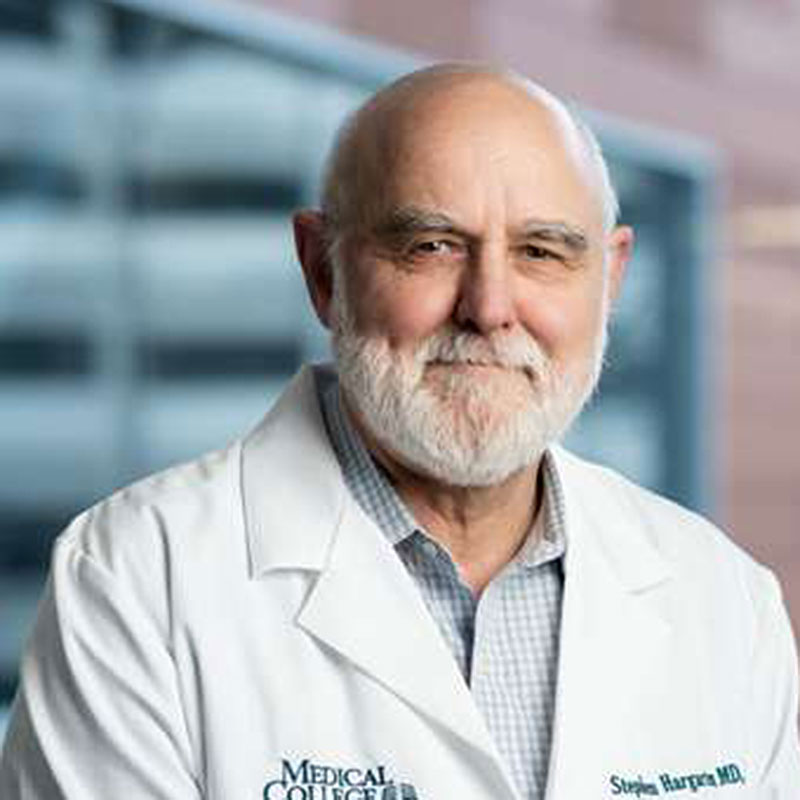
The founding secretariat of the Global Coalition for WHO Action on Firearm Violence is co-led by Dr Stephen Hargarten and Dean Peacock, both globally recognised for their leadership in health and violence prevention.
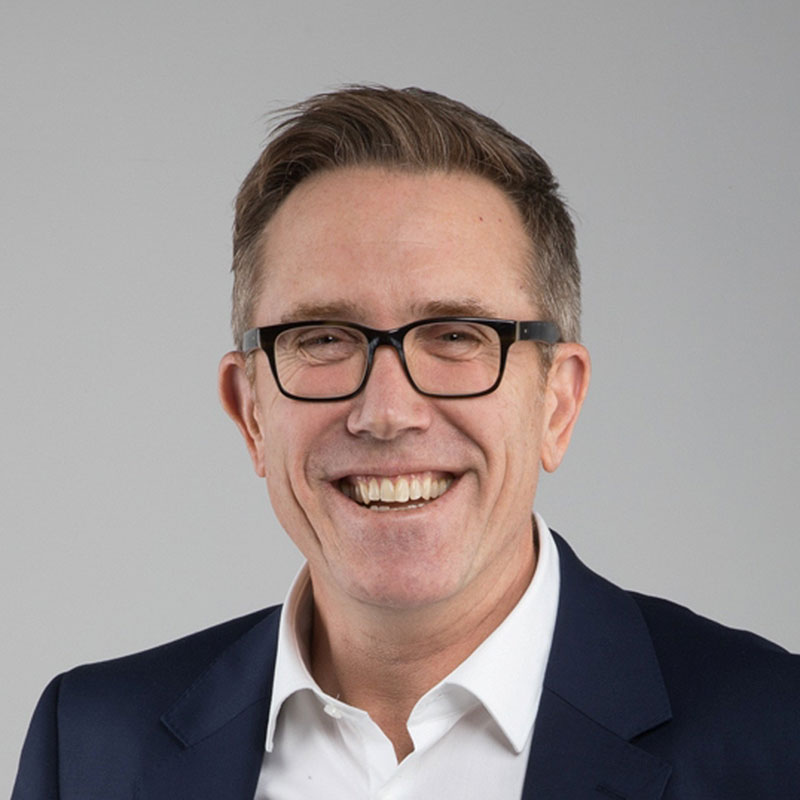
Dean Peacock has worked for over three decades to advance gender equality, violence prevention, and health equity. He serves as a Commissioner of the Lancet Commission on Global Gun Violence and Health and as an Expert Advisor to the Global Taskforce on Halving Global Violence. He is affiliated with the Division of Social and Behavioural Sciences at the University of Cape Town’s School of Public Health, the Gender Centre at the Geneva Graduate Institute, and the Violence, Inequality and Power Lab at the University of San Diego. He is the co-founder and former Executive Director of Sonke Gender Justice, co-founder and former Global Co-Chair of the MenEngage Alliance, and co-founder of the Community of Practice on Men and Feminist Peace. His writing has been published widely in books, academic journals, and global media outlets.
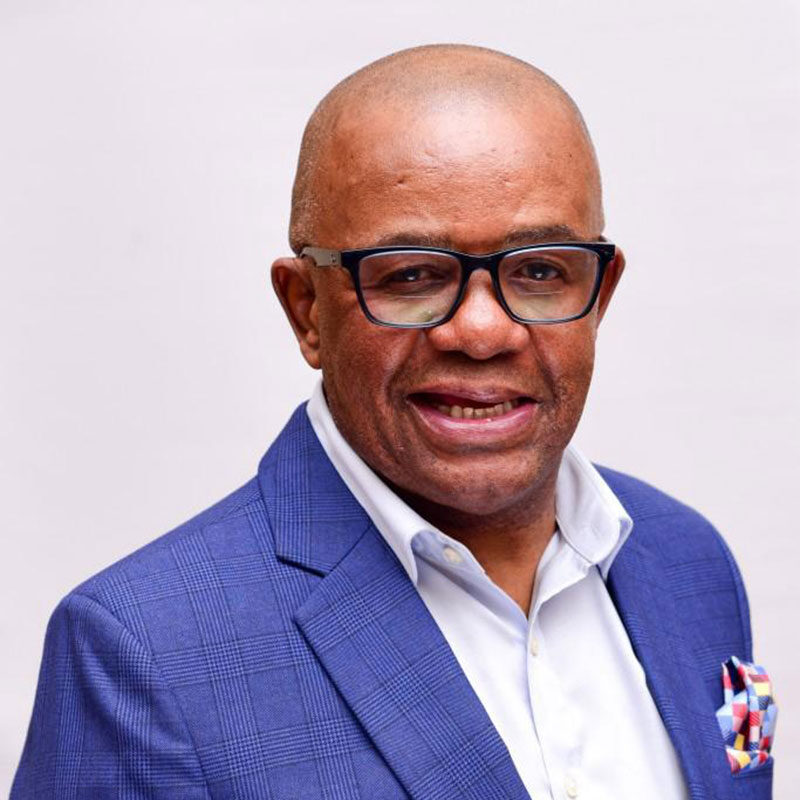
Mbuyiselo Botha is a long-standing advocate for gender equality, disability rights, and violence prevention, with more than four decades of experience in public communication and social justice. Raised in Sharpeville, he has a direct personal connection to gun violence: he was shot by police during a protest in 1986 and has lived with disability for 39 years as a result. He also recently learned that his father was among those shot and killed in the 1960 Sharpeville massacre—killings concealed by the Apartheid state. These experiences inform his view that gun violence requires stronger national and global attention. Mbuyiselo has hosted and contributed to major radio programmes and written for South African and international media, including as a newspaper columnist. He has worked to make issues of gender, safety, and rights accessible to broad audiences. He co-founded the South African Men’s Forum and later served as national media spokesperson for Sonke Gender Justice, where he helped advance public accountability on gender equality. He was appointed by Parliament and the President of South Africa to serve two terms as a Commissioner on the National Commission for Gender Equality. Earlier in his career, he worked as Dissemination Officer for the International Red Cross in South Africa. He is the father of four and grandfather of five, and lives in Pretoria with his wife, Namhla Gugulethu Ntuli.
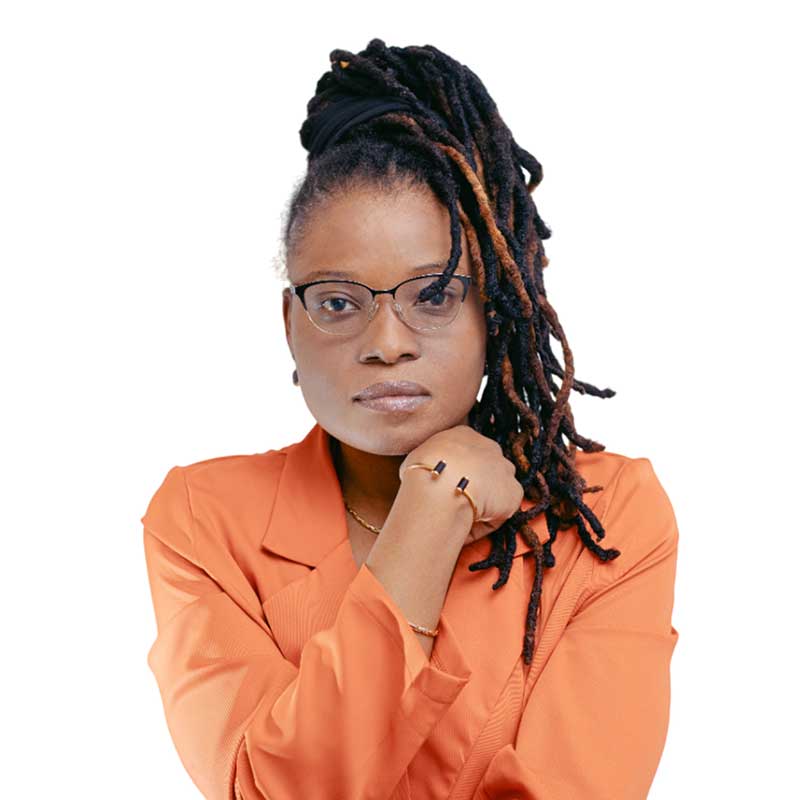
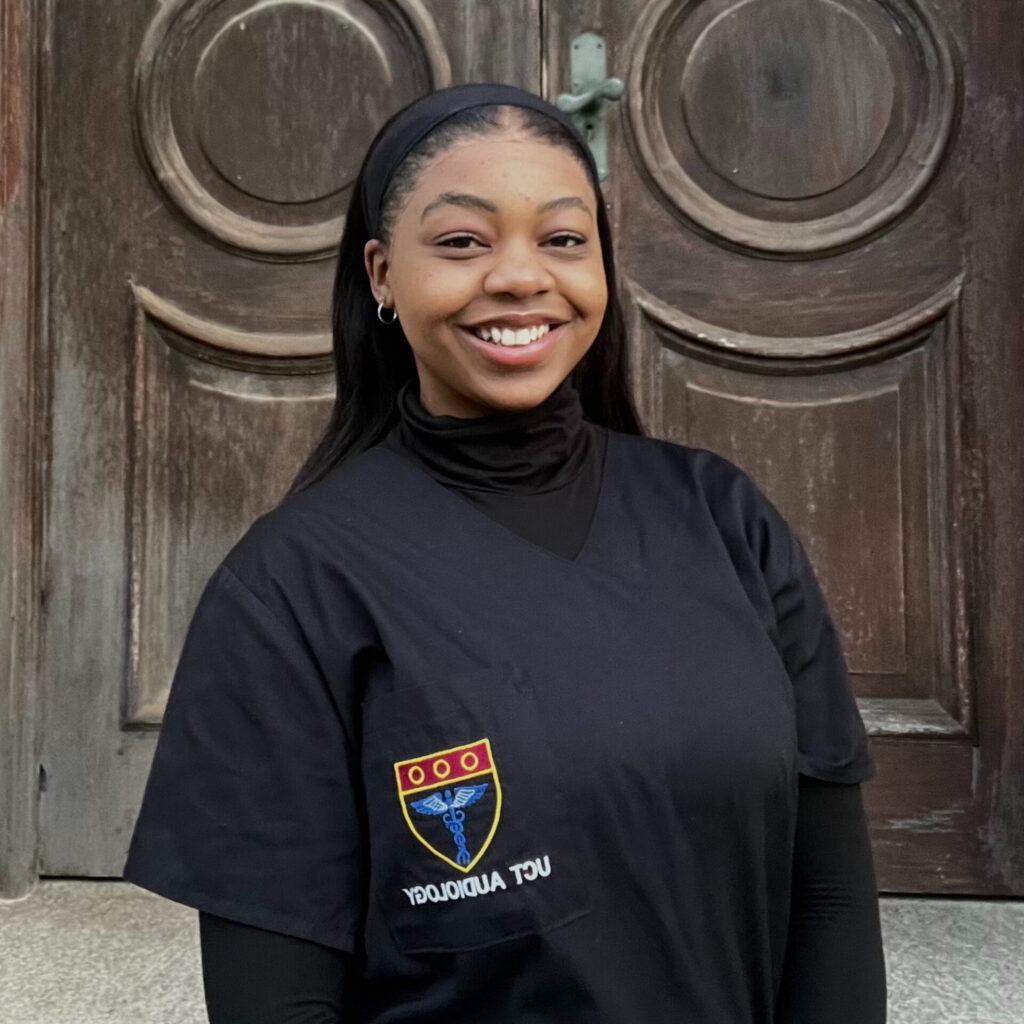
Pierrette Kengela contributes to WHO Action as a Global South public health & Gender Expert, survivor of firearm violence, and former frontline trauma and humanitarian health responder. Her role brings lived civilian experience, clinical trauma care expertise, Health equity and health-systems leadership from conflict and post-conflict settings into the Coalition’s research, policy framing, coalition-building, and engagement with the World Health Organization.
Her role focuses on ensuring that the Coalition’s work reflects the realities of communities most affected by firearm violence, particularly in Africa and other low- and middle-income and conflict-affected contexts, and that survivor experience is translated into credible, actionable, and policy-relevant public health guidance.
Drawing on her background as a Red Cross volunteer nurse during active conflict, trauma and orthopaedic residency experience in Kinshasa, and leadership of large-scale health programmes in active conflict corridors, she contributes frontline clinical and operational insight into how firearm violence manifests within health systems, from emergency and trauma care to longer-term rehabilitation, maternal Adolescent and Children’s health, SRHR, GBV, infectious diseases, and routine service delivery.
Her work explicitly addresses the pathways through which firearm violence evolves over time, including conflict to post-conflict urban violence, youth mobilisation into long-term gang violence, and the translation of survivor trauma, moral injury, and intergenerational harm into sustained public health burdens. She supports framing survivor experience as evidence, not testimony and integrating these realities into public-health logic, research outputs, and WHO-facing policy recommendations.
As a former frontline health responder and nurse-in-training during conflict, and as a health-systems leader who has operated in settings where health infrastructure was minimal and armed groups were present, she brings deep implementation knowledge. This includes insight into what WHO guidance on firearm-related violence and trauma could look like if it were operationally usable, and how such guidance must be adapted for conflict settings, weak infrastructure, staff shortages, and fragile governance environments.
In active conflict and post-conflict areas, she has led the construction of maternities, supported hospitals and clinics, strengthened trauma-care capacity, and trained nurses, doctors, and medical officers, working closely with Ministries of Health, SRHR and vaccination departments, and international partners. This experience informs her contribution to translating WHO guidance into practical, implementable approaches within health systems.

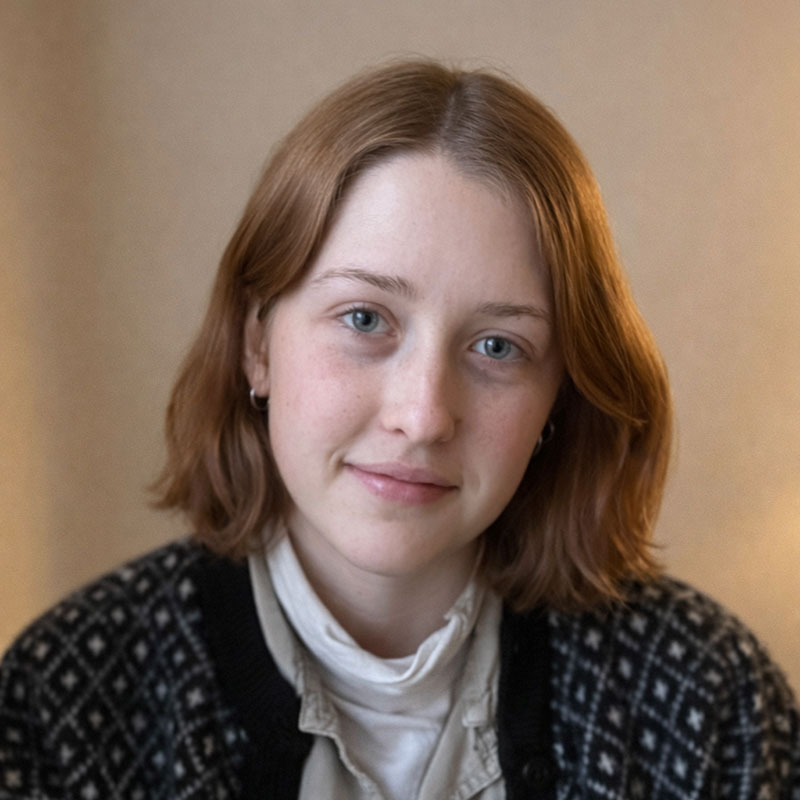
Keira Seidenberg is a public health communications professional and MPH candidate in Social and Behavioral Sciences at the University of Cape Town. Her work sits at the intersection of gender equity, sexual and reproductive health, and violence prevention, with a focus on how policy frameworks address—or overlook—the social and commercial determinants of gender-based violence.
She brings several years of experience in advocacy-driven communications and campaign management across Canadian and international nonprofit contexts, including serving as Campaign Manager for the Canadian Women’s Foundation’s Signal for Help initiative. Keira holds a BA in Gender Studies and Art History from McGill University.
The Steering Committee of the Global Coalition for WHO Action on Firearm Violence provides strategic guidance to the Secretariat, supporting efforts to re-establish firearm violence as a public-health priority within the World Health Organization and across its 192 Member States. It advises on policy, advocacy, research, and partnerships to advance a World Health Assembly resolution on firearm violence and ensure coordinated, evidence-based global action.
The Steering Committee reflects the Coalition’s commitment to global representation, gender balance, and interdisciplinary collaboration across health, peace, and social-justice sectors:
Established in 2025, the Global Coalition for WHO Action on Firearm Violence emerged from collaborative research led by the Gender Centre at the Geneva Graduate Institute (IHEID), the Violence, Inequality and Power Lab at the University of San Diego, the Division of Social and Behavioural Sciences at the University of Cape Town’s School of Public Health, the Comprehensive Injury Center at the Medical College of Wisconsin, Sou da Paz (Brazil), Gun Free South Africa, and the Women’s Institute for Alternative Development (WINAD) in Trinidad and Tobago.
Drawing on a review of more than 3,000 World Health Assembly resolutions, analysis of WHO publications and meeting reports, and interviews with public-health experts, the study found that WHO attention to firearm violence as a public-health issue has steadily declined over the past fifteen years—highlighting the urgent need for renewed global leadership